

Is Your Product Ready for Its New Identity?
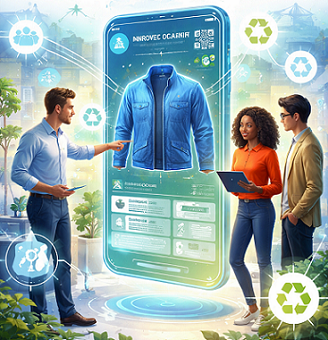
The days of a product being just a "thing" are over. Soon, every product sold in the EU will have its own digital twin—a Digital Product Passport (DPP) that tells its entire story, from the raw materials used to the moment it’s ready for recycling.
But while the regulation is already here, a recent KPMG European DPP Readiness Survey reveals a startling "Awareness Gap." Here’s what you need to know to stay ahead of the curve.
𝗧𝗵𝗲 𝗚𝗿𝗲𝗮𝘁 𝗔𝘄𝗮𝗿𝗲𝗻𝗲𝘀𝘀 𝗚𝗮𝗽: 𝟵𝟳% 𝘃𝘀. 𝟯𝟯%
Almost everyone has heard of the DPP. In fact, 97% of businesses surveyed are aware of it. However, when you dig deeper, only 33% actually understand the specific requirements and implications for their company.
Many organizations are currently in a "wait-and-prepare" posture, but with the first mandatory applications hitting sectors like batteries in 2027 and broader expansion by 2030, the clock is ticking.
𝗜𝘁’𝘀 𝗠𝗼𝗿𝗲 𝗧𝗵𝗮𝗻 𝗖𝗼𝗺𝗽𝗹𝗶𝗮𝗻𝗰𝗲—𝗜𝘁’𝘀 𝗔𝗯𝗼𝘂𝘁 𝗧𝗿𝘂𝘀𝘁
If you think the DPP is just another regulatory checkbox, think again. Companies are starting to see the strategic value:
Enhanced Brand Trust (61%): In a market saturated with "greenwashing," the DPP provides verifiable data on material composition and environmental footprints.
New Circular Models (36%): The passport unlocks the data needed for repair, resale, and "product-as-a-service" models.
Operational Resilience: It gives you visibility into Tier 2 and Tier 3 suppliers, identifying risks before they become crises.
𝗧𝗵𝗲 "𝗠𝘂𝗹𝘁𝗶-𝗧𝗶𝗲𝗿" 𝗛𝗲𝗮𝗱𝗮𝗰𝗵𝗲
The road to implementation isn't without bumps. The survey identified the #1 challenge as collecting data from complex, multi-tier supply chains (31%). Many suppliers aren't ready to provide the structured, machine-readable data the EU requires, leading to a massive coordination effort for procurement and IT teams.
𝗪𝗵𝗼’𝘀 𝗟𝗲𝗮𝗱𝗶𝗻𝗴 𝘁𝗵𝗲 𝗖𝗵𝗮𝗿𝗴𝗲?
Textiles & Footwear: Facing the highest regulatory attention and supply chain complexity.
Metals (Iron, Steel, Aluminum): Using the DPP to prove low-carbon differentiation in procurement.
Electronics & ICT: Focusing on reparability and component traceability to fight premature obsolescence.
𝟯 𝗦𝘁𝗲𝗽𝘀 𝘁𝗼 "𝗙𝘂𝘁𝘂𝗿𝗲-𝗣𝗿𝗼𝗼𝗳" 𝗬𝗼𝘂𝗿 𝗥𝗲𝗮𝗱𝗶𝗻𝗲𝘀𝘀
How can your business move from "Getting Started" to "Well-Prepared"?
- Assign Clear Ownership: Currently, 46% of responsibility sits in Sustainability, but 23% of companies haven't assigned an owner at all. The DPP is a cross-functional beast—get IT, Procurement, and R&D in the room now.
- Map Your Supply Chain: Don't wait for the 2026 delegated acts to start talking to your suppliers. Start mapping data availability today.
- Run a Pilot: Many early movers are already testing data flows for specific product lines to uncover gaps in their digital architecture.
The Bottom Line: The Digital Product Passport is the new "identity document" for the circular economy. Is your business ready to show its ID?
#Sustainability #CircularEconomy #DigitalProductPassport #ESPR #SupplyChain #Innovation #KPMG #EURegulations
The DPP is a cross-functional beast—get IT, Procurement, and R&D in the room now.
-
Carbon emissions,
Circular economy,
Compliance risk,
Digital Product Passport (DPP)