

How Carbon Removal and Sustainability Software Are Transforming ESG Strategies
Achieving net zero emissions is one of the defining challenges facing businesses today. As environmental, social, and governance (ESG) standards tighten and stakeholders demand transparency, innovative technologies and strategies are reshaping how companies meet their sustainability commitments.
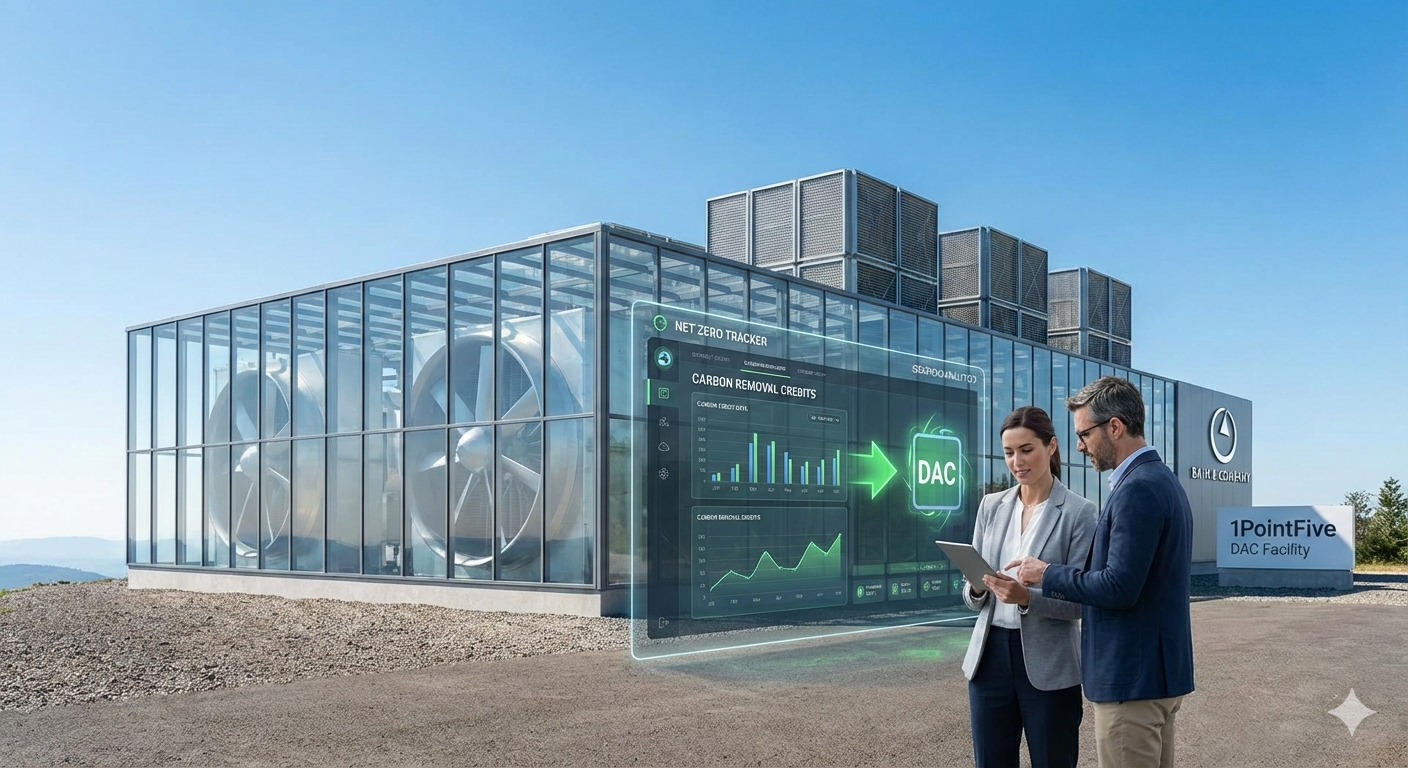
One such technology gaining prominence is Direct Air Capture (DAC), an advanced method that removes carbon dioxide directly from the atmosphere. Recently, significant moves in this space underscore its rising importance.
Osapiens Raises $100 Million to Enhance Sustainability
Software Solutions. Sustainability software provider Osapiens has just closed a $100 million funding round led by BlackRock and Temasek's Decarbonization Fund. This injection of capital highlights growing investor confidence in software platforms that enable companies to manage, report, and optimize their environmental impact.
By integrating data from carbon removal projects like DAC, such software helps businesses accurately measure and report their carbon footprints, a critical requirement for credible ESG reporting.
Bain & Company’s Purchase of DAC Carbon Credits In a groundbreaking agreement,
Bain & Company partnered with 1PointFive—an Occidental subsidiary—to purchase 9,000 metric tons of carbon dioxide removal credits generated via DAC technology. This first purchase marks a strategic step for Bain in fulfilling its commitment to net zero greenhouse gas emissions by 2050. The Business Impact of Carbon Removal Technologies Direct Air Capture is not just science fiction; it offers scalable, verifiable carbon removal that can complement traditional emissions reduction efforts.
For ESG professionals, carbon removal credits add a tangible lever to offset residual emissions that are hard to eliminate. Meanwhile, investments in sustainability software like those by Osapiens ensure organizations have the tools to transparently track these efforts, meet regulatory obligations, and communicate progress to stakeholders.
Moving Forward
As more companies like Bain commit to carbon removal and sustainability software platforms improve in sophistication, the ESG landscape will become more data-driven and results-oriented. For businesses, understanding and adopting these technologies is pivotal to achieving sustainable growth while contributing to global climate goals.
In summary, the recent funding in Osapiens and Bain’s carbon credit purchase illustrate a clear trend: effective ESG strategies increasingly rely on innovative carbon removal solutions backed by robust data and software frameworks. Staying informed and proactive on these fronts will prepare organizations to lead in sustainability.
What steps is your company taking today to integrate carbon removal and enhance its ESG reporting capabilities?
One such technology gaining prominence is Direct Air Capture (DAC), an advanced method that removes carbon dioxide directly from the atmosphere. Recently, significant moves in this space underscore its rising importance.
-
Carbon emissions,
ESG fundamentals